Travel Guide
10 Reasons to Visit Naltar Valley: Lakes, Meadows and Snow
Naltar is a pine valley about 40 km from Gilgit, with a chain of coloured lakes, quiet villages and snow peaks all year.
Naltar Valley is in the north-west of Gilgit-Baltistan, about 40 km from Gilgit city across the Nomal valley. The villages and the ski slope sit at about 2,900 to 3,000 m, under peaks that keep their snow all year. People call it the land of fairies.
Naltar is known for two things. In summer it is the lakes: a chain of green and blue water in pine forest above Naltar Bala. In winter it is skiing, on the Pakistan Air Force slope where many of the country's best skiers learned; that has its own guide, skiing in Naltar. Here are ten reasons to make the trip.
- From Gilgit
- 32 to 40 km, 1.5 to 2 hours
- Height
- About 2,900 to 3,000 m
- Summer
- Satrangi, Blue Lake and Feroza lakes
- Lakes
- About 3,100 to 3,200 m
On this page
Where is Naltar Valley?
Naltar branches west off the Hunza valley at Nomal, north of Gilgit. There are two villages: Naltar Payeen (lower Naltar) and Naltar Bala (upper Naltar). Sources give 32 to 40 km from Gilgit, depending on which village they measure to. The road climbs a narrow, rocky gorge from Nomal, and the valley opens out into forest and meadows above it.
Local legend says Naltar was the very first settled village of Gilgit, home to hunters and shepherds who lived on meat and butter before people moved down to the towns. There is no written record of this, but you will hear the story in the valley.
10 reasons to visit Naltar Valley
Snow-capped mountains
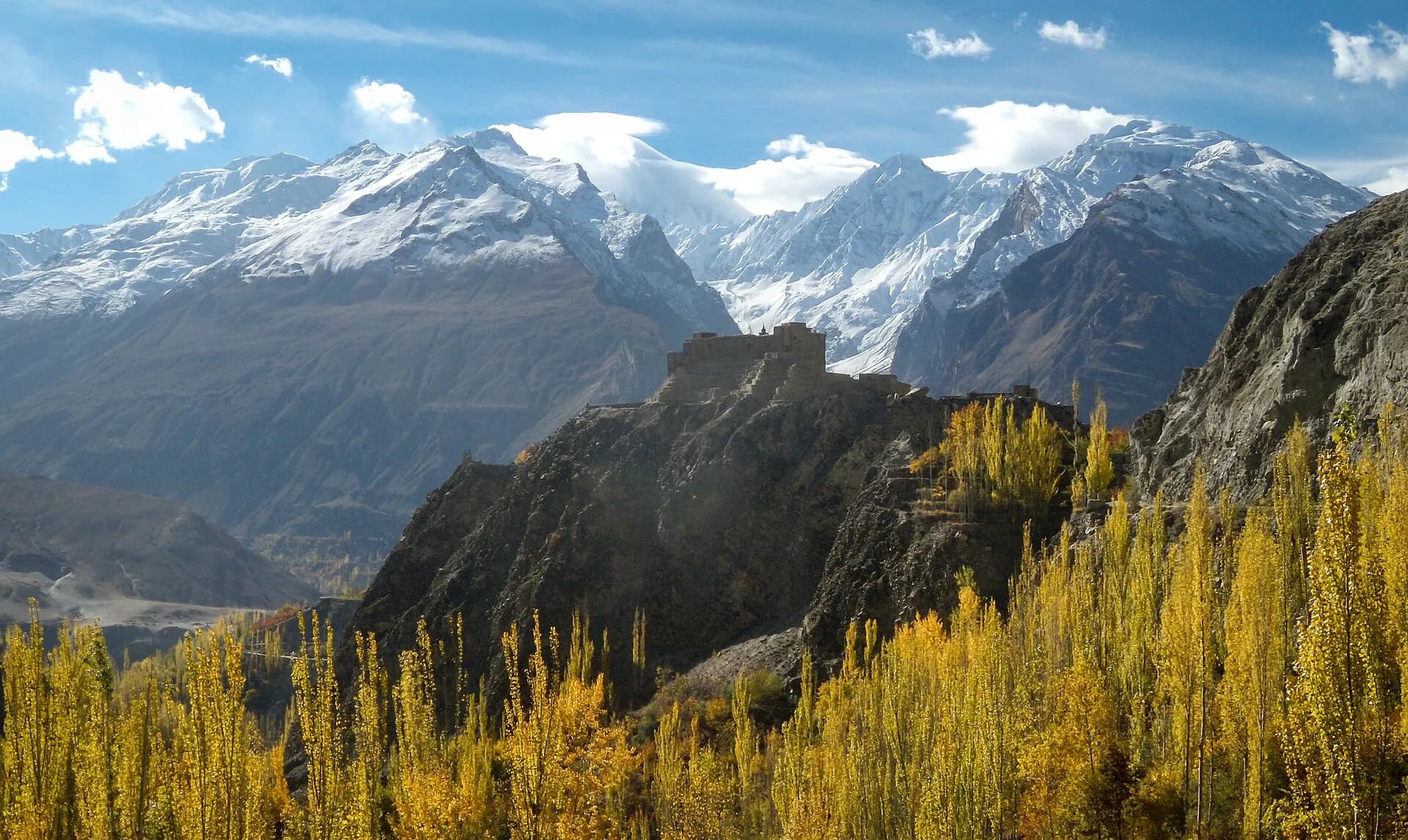
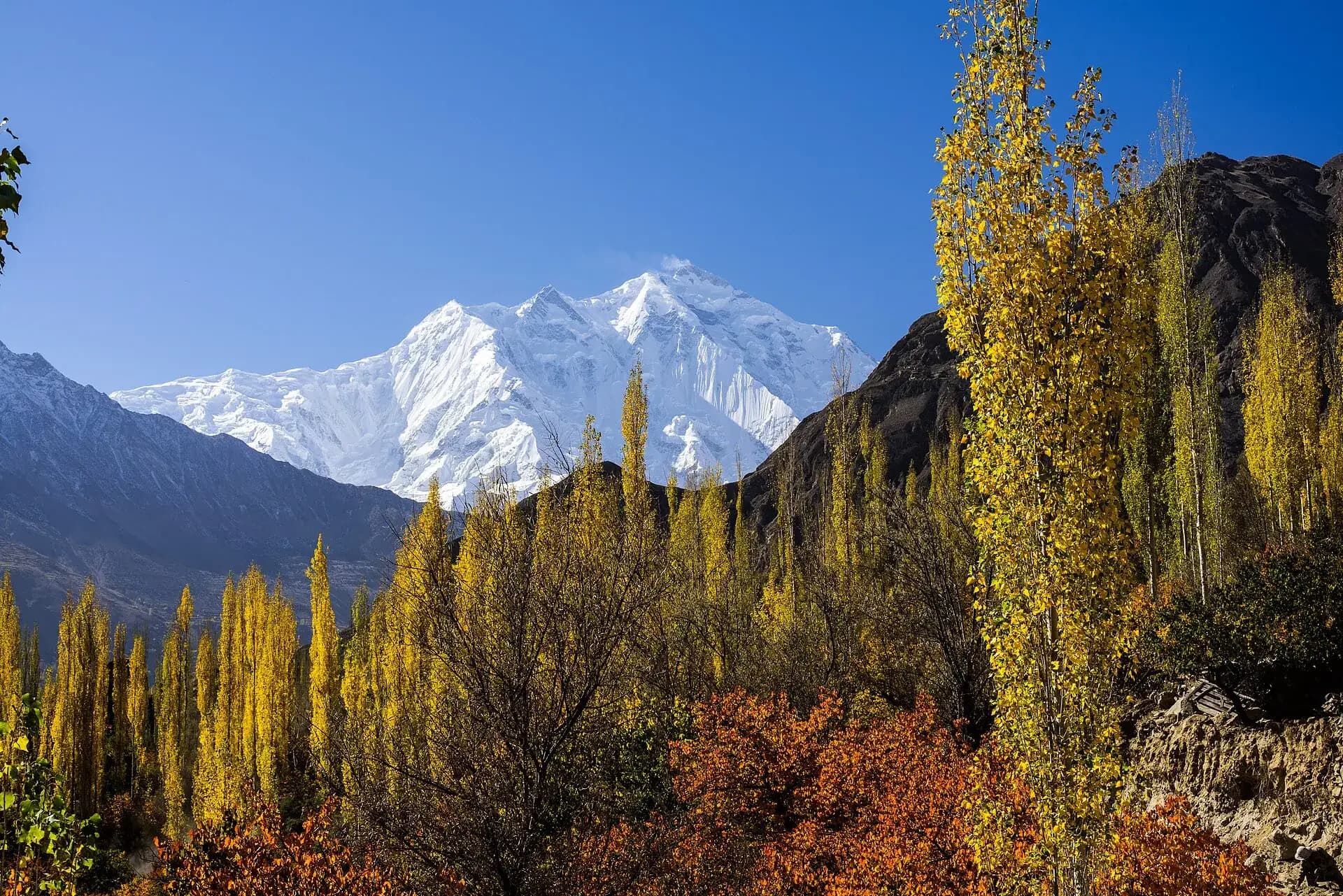
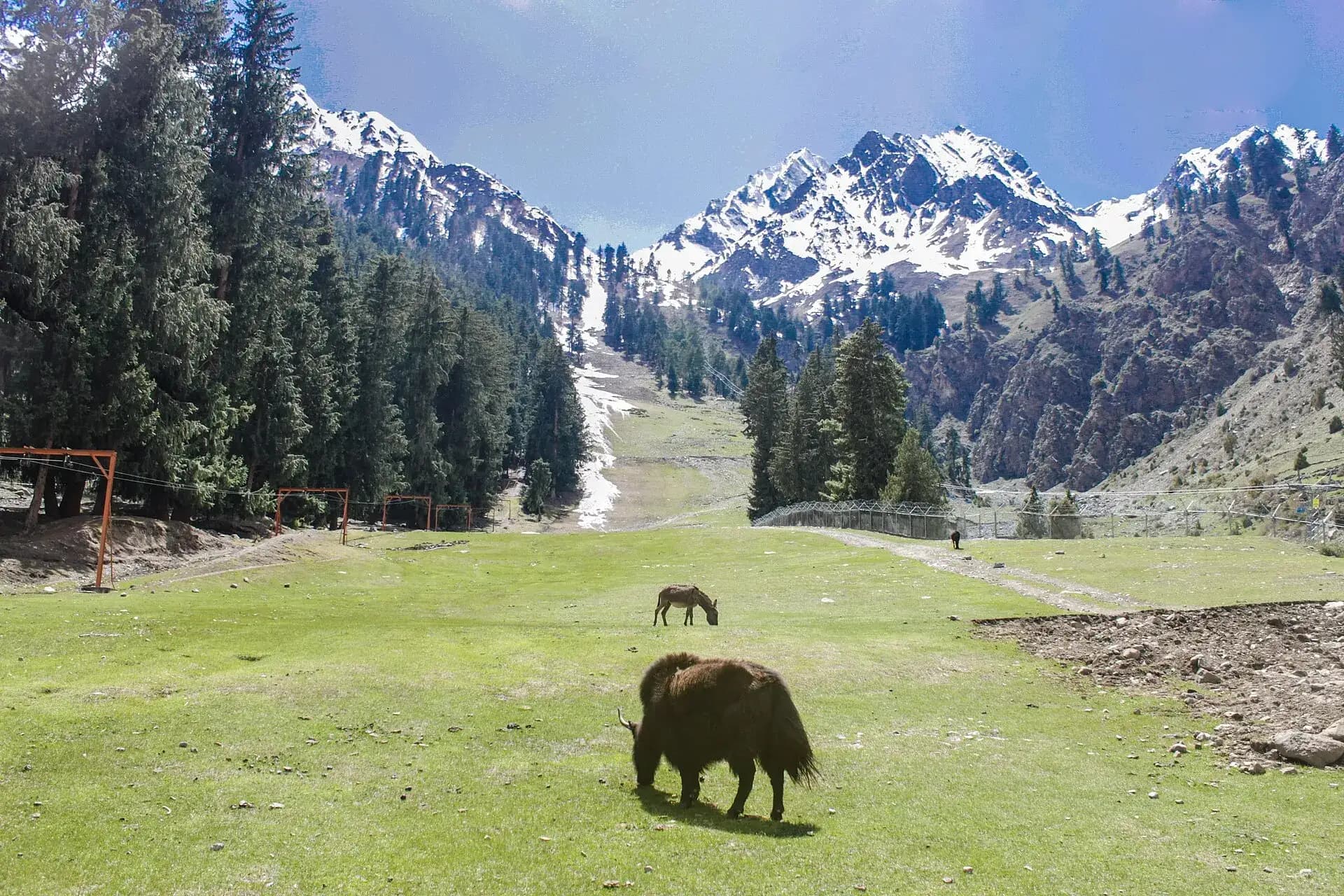
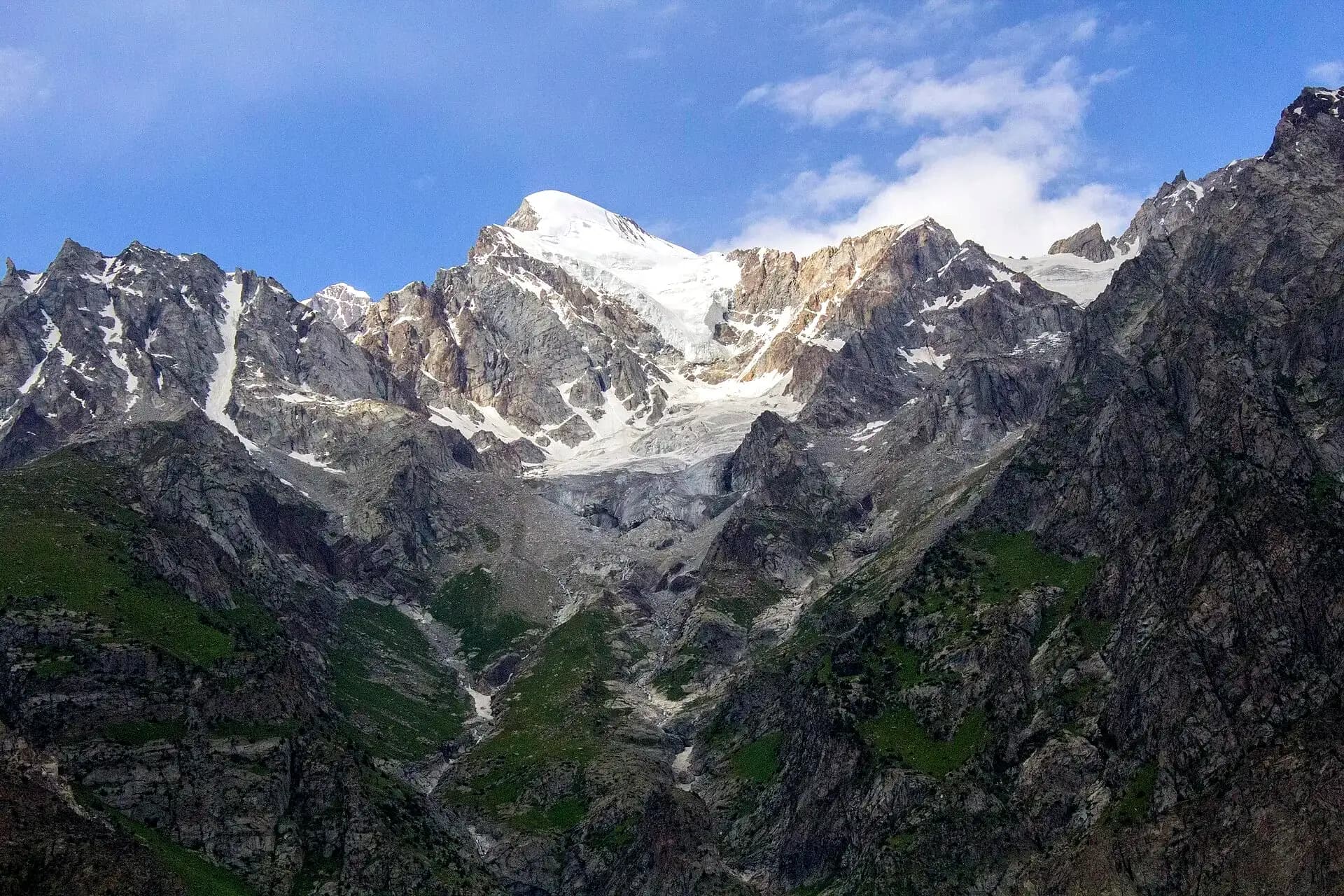
In both summer and winter the mountains around Naltar are covered with snow. Mehrbani Peak, also called Khaitar Peak, is 5,639 m and joins the main Karakoram range. Shani Peak (5,887 m), also known as Khaltar Peak, is to the south: it lies west of Snow Dome (5,029 m) and north-west of Mehrbani, and the Shani Glacier flows from it toward the valley. Naltar Peak (4,678 m) rises above the lakes.
 02
The valley in full summer
Naltar starts to turn green in spring as the snow pulls back up the slopes, and by June the meadows are full. Most of the valley floor is pine and juniper forest closed in by mountains, with the Naltar river running north to south through the middle of the green. The meadows of Halima and Bangla lie on the road to the lakes.
 03
Naltar lakes
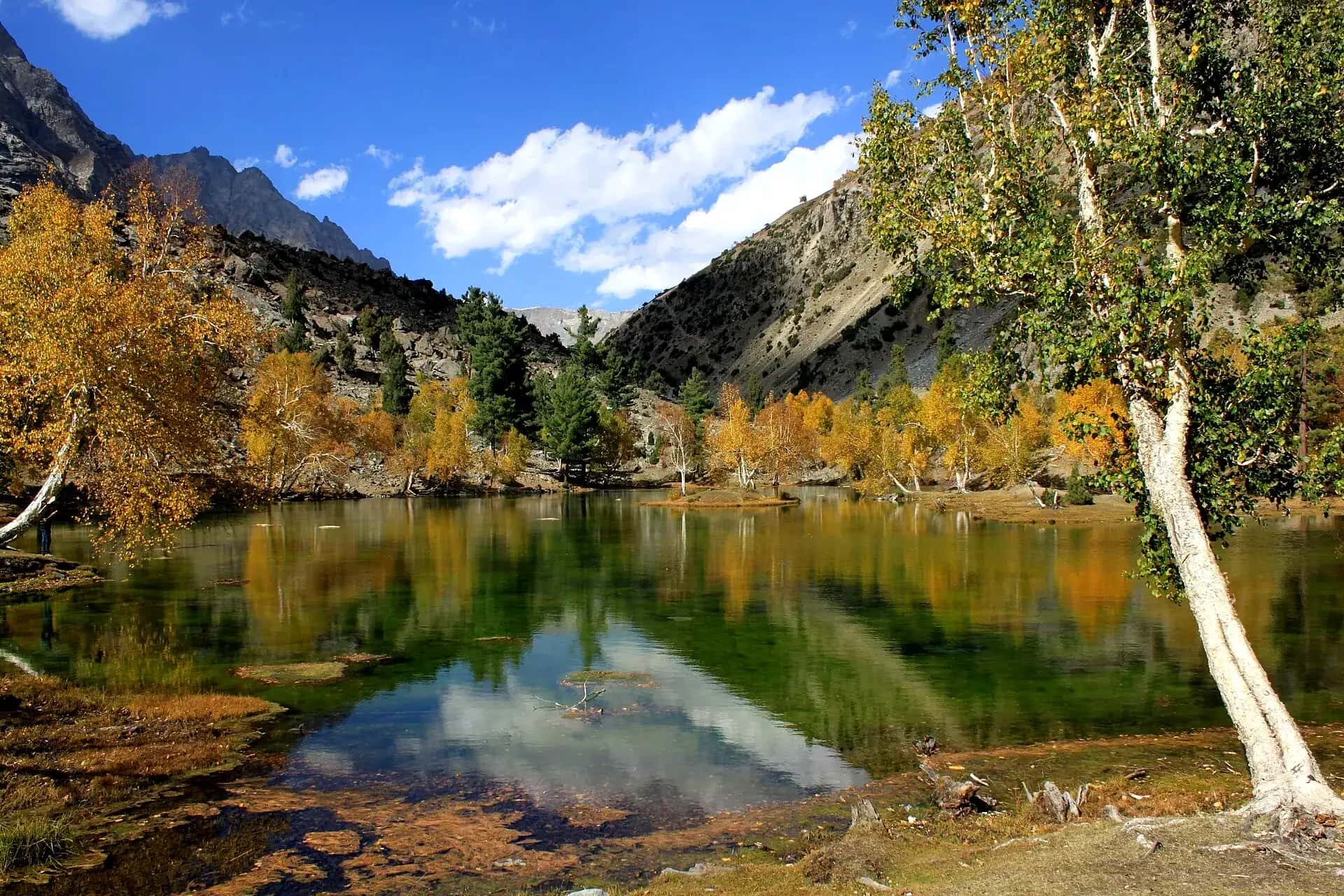
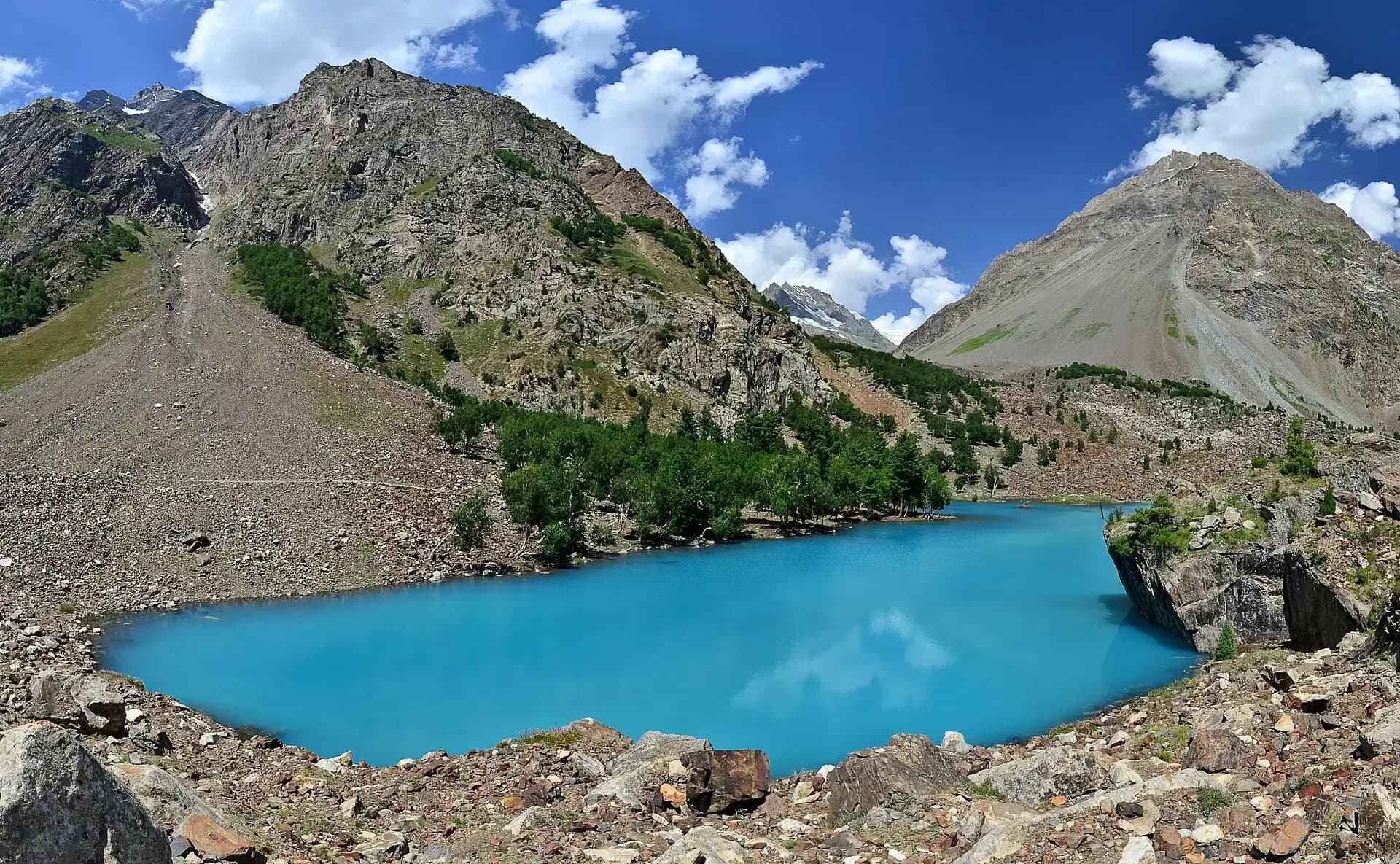
Naltar is full of surprises, and the lakes are the biggest. There is a chain of them at about 3,100 to 3,200 m, and the three best known are Satrangi, Blue Lake and Feroza, also called Bashkiri I, II and III. Satrangi, the rainbow lake, is the largest; the name comes from the many shades of its water. Blue Lake is a deep, completely blue lake a short way beyond it. Further up are Bodlok and smaller lakes that fewer people reach.
Satrangi is about 12 km from Naltar Bala. The road is unpaved and in poor shape, so you go by local jeep. Dense pine forest surrounds the lakes. In winter it is almost impossible to reach them by any vehicle because of heavy snow.
The people of Naltar
Naltar has two villages, Naltar Payeen and Naltar Bala, and two groups of people, one speaking Shina and the other Gujari. They are small farming villages. Skiing is part of local life here in a way it is nowhere else in Pakistan: several of the country's best skiers, two Winter Olympians among them, grew up on these slopes.
The ski chairlift
Naltar is the home of skiing in Pakistan. A Swiss-donated chairlift was installed in the mid-2010s and carries skiers from the base, at about 2,900 m, up the main slope. It is the only proper ski chairlift in Gilgit-Baltistan. Who can ride it depends on the Air Force, which runs the slope.
Peace
Naltar is such a peaceful valley. The people are friendly and caring, and they welcome visitors warmly. Nights are quiet, and the mobile signal is weak enough that most guests stop checking their phones by the second day.
Climate
The climate in Naltar is mild in summer. In July and August the temperature reaches a maximum of about 22 °C. For a cooler summer holiday, spend more time in Naltar Bala or at the lakes, which stay much cooler even in summer. Winter is very different: nights fall to about minus 10 to minus 20 °C, and 10 to 15 feet of snow can cover the lake road.
The winter snow hike to the lakes
When the lake road is snowbound, the walk up becomes a winter trip of its own. A typical winter day goes on foot from the hotels through the Bishgiri forest and Bangla, with a packed lunch on the way. It reaches the lakes at about 2 pm and gets back by 5 pm. The lakes freeze and the pines stand in deep snow. Go only with a local guide who knows the avalanche spots.
Wildlife
If you want to see some very rare animals, Naltar is the place. The valley is part of the Naltar Wildlife Sanctuary, set up in 1975 and covering about 27,000 hectares. Astore markhor, ibex, snow leopard, brown bear and wolf live in the hills, along with about 35 kinds of birds, though you will need luck and binoculars to see most of them. Beside the ski slope is a small wildlife park run by the wildlife department.
The ski slope
The Naltar ski resort is the main ground of the Winter Sports Federation of Pakistan (formerly the Ski Federation of Pakistan), and it hosts the CAS Karakoram International Alpine Ski Cup and national championships. It is Pakistan's oldest skiing ground: the Air Force began snow training here in 1958. It is still less known and less developed than Malam Jabba, mainly because of the poor road from Gilgit. The season, the slopes and how to get permission are in our guide to skiing in Naltar.
How to reach Naltar from Lahore and Gilgit
By road, Lahore to Gilgit is two days, about 845 km, with a night in Naran or Chilas in summer and Besham in winter. From Islamabad it is about 490 km. PIA flies Islamabad to Gilgit in under an hour, when the weather allows, so keep a spare day either side.
From Gilgit the road goes north to Nomal, then turns into the Naltar gorge. Above Nomal the road is narrow, steep and partly unpaved. Coasters and large vans stop at Nomal and people move to local jeeps. Gilgit to Naltar takes about 1.5 to 2 hours in all. In winter, take a 4x4 with chains.
The Naltar road
Smaller cars sometimes manage the road to Naltar Bala in dry summer weather, but the track to the lakes is jeep only. Jeeps wait in Nomal and Naltar Bala; agree the fare and the waiting time at the lakes before you set off.
Best time to visit Naltar Valley
Summer is for the lakes, winter for skiing. The months in between are muddy and half-closed.
| Months | Naltar is like | Good for |
|---|---|---|
| May to June | Snow melting, meadows turning green | Lakes, once the road opens |
| July to August | Warm days, about 22 °C at most | Lakes, meadows, camping |
| September to October | Clear skies, autumn colour | Lakes and photography |
| December to March | Deep snow, minus 10 to minus 20 °C at night | Skiing and the snow hike |
| November and April | Cold, road may be muddy or icy | Short visits only |
Permits and tips for Naltar
No permit is needed for the valley itself. There may be checks near the Air Force area by the ski slope.
- There is no ATM in Naltar. Bring cash from Gilgit.
- Mobile signal is weak. SCOM works best.
- Guesthouses are few and fill up in July, August and on ski weekends. Book ahead.
- Carry a warm jacket even in summer; the lakes are cold by late afternoon.
- Take your rubbish back down. Tree cutting and new buildings are already a worry in the valley.
Naltar on our tours
Our group coasters do not go up the Naltar road, which is too narrow for them. We add Naltar to a private trip instead, with your own car and driver from Lahore and a local jeep from Nomal: one full day from Gilgit for the lakes, or two or three nights in winter for the snow. Contact us with your dates. From Naltar, Nagar Valley and Hunza are only a couple of hours further up the Karakoram Highway; see our Hunza tour packages and Gilgit-Baltistan tour packages for the group dates.
Frequently asked questions
Where is Naltar Valley, and how far is it from Gilgit?
Naltar is in Gilgit-Baltistan, about 32 to 40 km from Gilgit via Nomal. The drive takes about 1.5 to 2 hours, the last part on a rough road.
How do I reach the Naltar lakes? Can a car go?
Satrangi Lake is about 12 km above Naltar Bala on an unpaved road. Smaller cars sometimes reach Naltar Bala in dry weather, but for the lakes take a local jeep. The road is snowbound in winter.
How many lakes are there in Naltar?
Sources count anything from three to seven. The best known are Satrangi (the rainbow lake), Blue Lake and Feroza, with Bodlok and smaller lakes further up.
What are the best reasons to visit Naltar Valley?
The coloured lakes (Satrangi, Blue Lake and Feroza), pine forest and meadows, snow peaks all year, a quiet valley with few crowds, rare wildlife in the sanctuary and, in winter, Pakistan's oldest ski slope.
What is the best time to visit Naltar Valley?
May to October for the lakes and meadows, with July and August the warmest. December to March for snow and skiing.
Do I need a 4x4 for Naltar?
For the lakes, yes: use a local jeep. In winter a 4x4 with chains is needed for the whole road from Nomal.