Travel Guide
Jarogo Waterfall, Swat
Jarogo is a tall waterfall at the head of the Beha valley, about 30 km above Matta. The road ends at a small hotel, and a riverbed walk of 45 to 60 minutes leads to the falls.
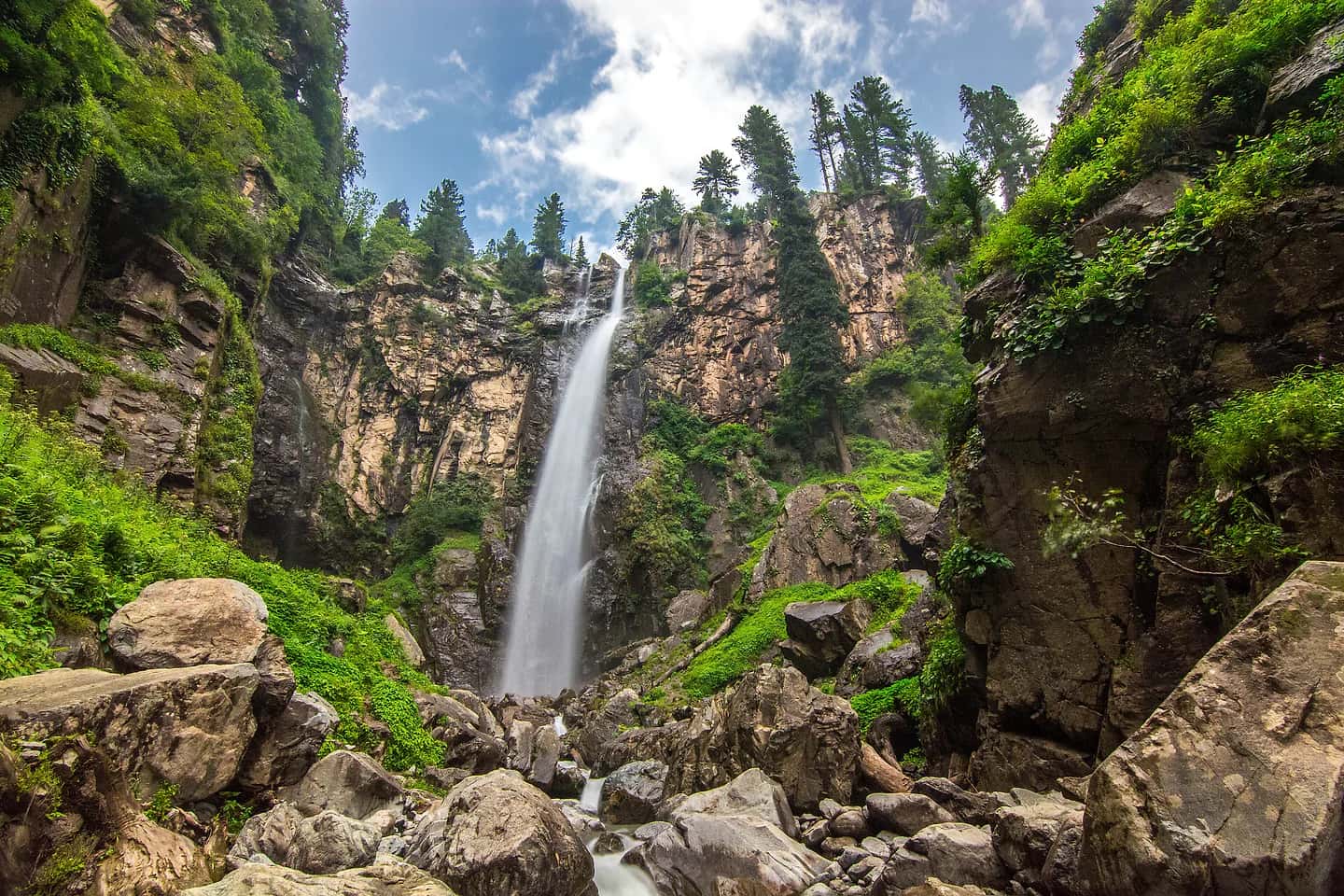
Jarogo Waterfall drops down a sheer rock wall at the head of the Beha valley, in the hills west of Matta in Swat. A stream comes off the meadows above it and falls in one long white column into a gorge of boulders and pines, with a second, thinner fall beside it after rain. Nobody has measured it properly, and estimates run from about 250 to 400 feet, but standing at the bottom, wet with the spray, you will not care about the number.
It is a half day out, not a resort. The road ends at a small hotel, the last stretch is a walk up the stream bed, and there is nothing at the falls except rocks, mist and the roar of the water. That is the appeal.
- Where
- Head of the Beha valley, Matta tehsil
- From Mingora
- About 51 to 61 km, 2 to 2.5 hours
- The walk
- About 2 km, 45 to 60 minutes each way
- Parking
- PKR 200 a car, PKR 100 a bike (2026)
On this page
The drive from Mingora to the Beha valley
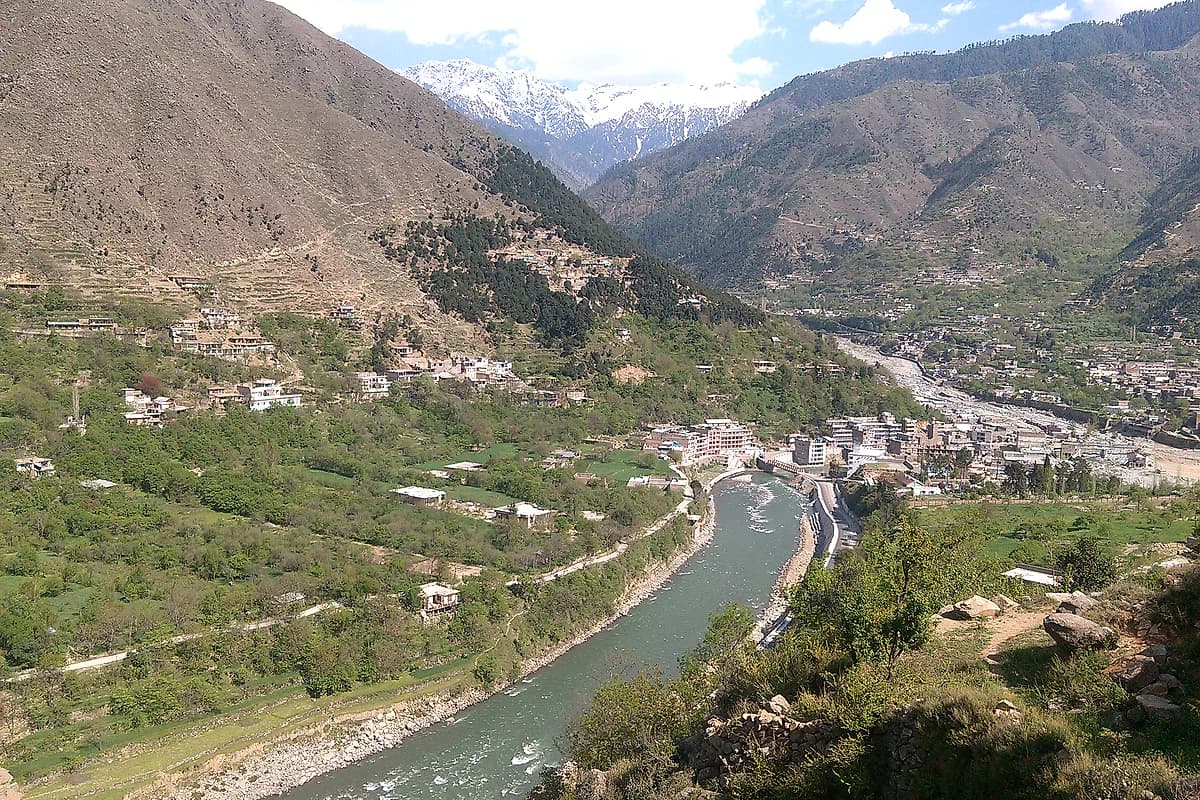
Jarogo is in Matta tehsil, now part of the Upper Swat district. From Mingora there are two ways to Matta. The shorter crosses the river at Kanju and follows the right bank through Shamozai to Matta, about 51 km to the end of the road. The other goes up the main valley road to Khwazakhela and crosses the bridge to Matta, about 61 km. From Matta it is about 30 km more, up the Beha valley.
Allow 1.5 to 2 hours by car from Mingora, and 2 to 2.5 hours in a bigger vehicle or on a weekend. The narrow bazaar road through Matta is the slow part, so going through early in the morning saves a lot of time. The drive itself is lovely, past peach and apple orchards around Matta and then up a green, misty valley that looks a lot like Kashmir.
- Matta, the main town and the last big bazaar.
- Chuprial and Gwalerai, busy village bazaars. Gwalerai has banks and ATMs, so draw cash here.
- Beha, the last bazaar. Buy food, water and anything you need for a picnic or a barbecue here, as there are no proper shops beyond it.
- Fazal Banda and Chatekal, the last villages, then the road end at about 2,100 m.
Parking at the Jarogo hotel
The paved road runs almost to the end, with a short rough stretch before the parking. Cars stop at the small hotel at the road end, where in 2026 parking cost PKR 200 for a car and PKR 100 for a motorbike. Bikes can ride on a little further, and a 4x4 can go a short way up a dirt track, but everyone walks the last part.
The hotel serves tea and biscuits, and karahi made to order if you can wait 40 to 50 minutes for it. Order on the way up and it will be ready when you come down. Check with your driver before taking a coaster or a large van all the way up, as the last climb to the parking is steep.
The walk to the falls
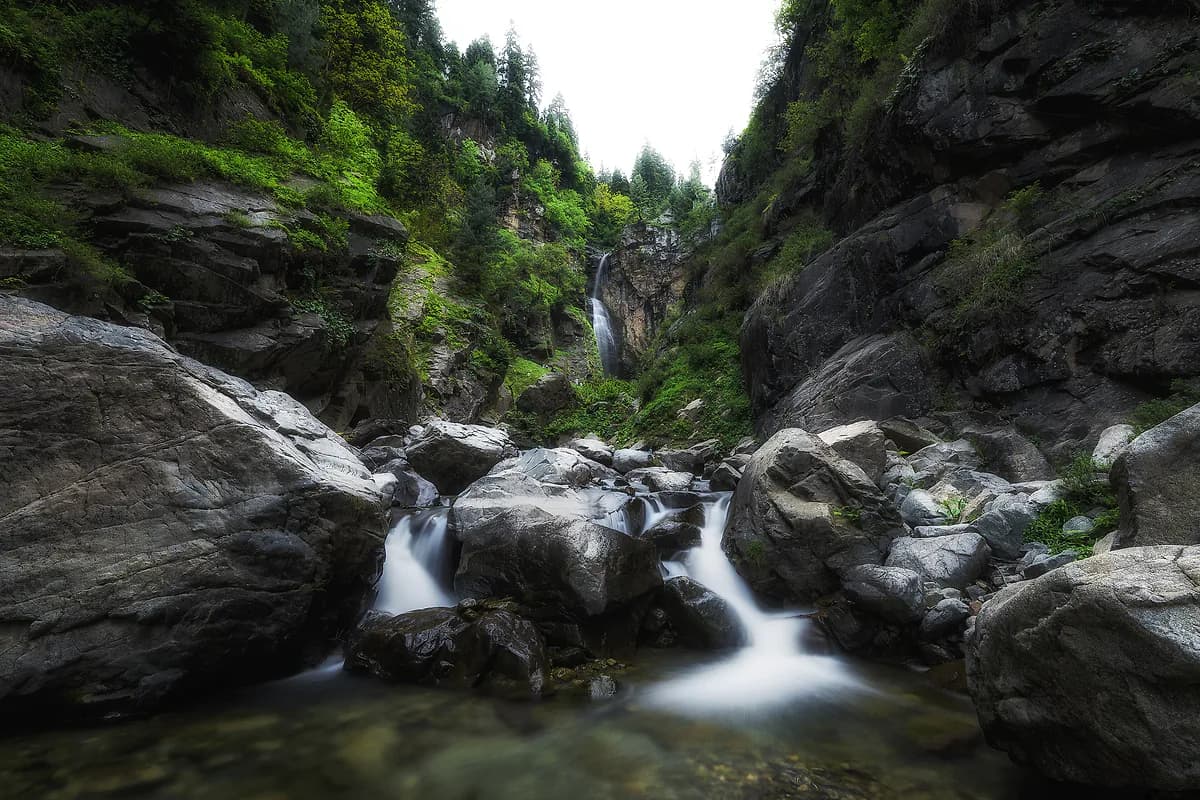
The path is about 2 km one way and climbs roughly 150 to 250 m, following the stream up the gorge. Locals do it in 20 to 25 minutes. Plan on 45 minutes to an hour if you are not used to mountain paths, and the same coming down.
There is no built trail. The path picks its way along the stream bed over big rocks, some sharp and many wet and slippery, and crosses the cold, fast water two or three times by hopping between stones. Shoes with a good grip matter more than anything else here, and many people end up walking the wet stretches in sandals or water shoes rather than trainers. Small stalls run by local children sell water, biscuits and cold drinks along the way.
The walk is fine for most fit adults and older children. With small children, the stream crossings are the tricky part, so carry them over and take it slowly. After heavy rain the stream rises and the rocks get much more slippery, so wait for it to settle.
At the waterfall
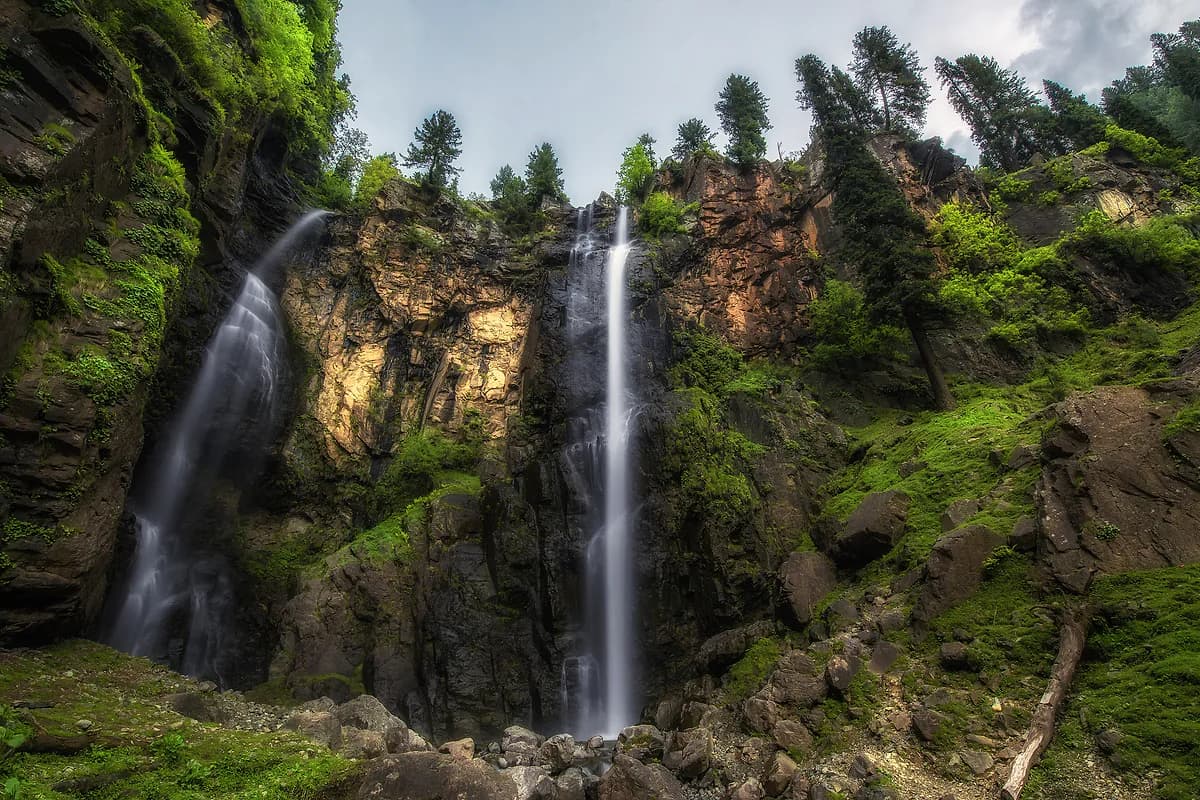
The first view of Jarogo comes round a bend in the gorge, and it is worth the walk. The water falls in one long drop down the cliff, with a thinner second fall beside it when the stream is high. The spray drifts across the whole basin, so even on a hot day it turns cold and windy near the bottom. Bring a jacket and something to keep your phone dry.
There are open spots among the boulders to sit, and groups often carry up a stove or a barbecue and cook a full meal by the stream. If you do, take every bit of your rubbish back down with you. The flow is strongest in June, when the snow above is melting, and stays heavy through the monsoon months of July to September.
Where the name comes from
People in the valley tell two stories. In the first, the falls are named after Jarogai, a well-known woman who lived here in the time of the Hindu Shahi rulers, before Islam came to Swat. In the second, jarogo comes from the Pashto word for a broom, from the grass and straw village women once gathered here to make brooms. Either way, the name is local and old, and you will hear both if you ask.
Jarogo Meadows above the falls
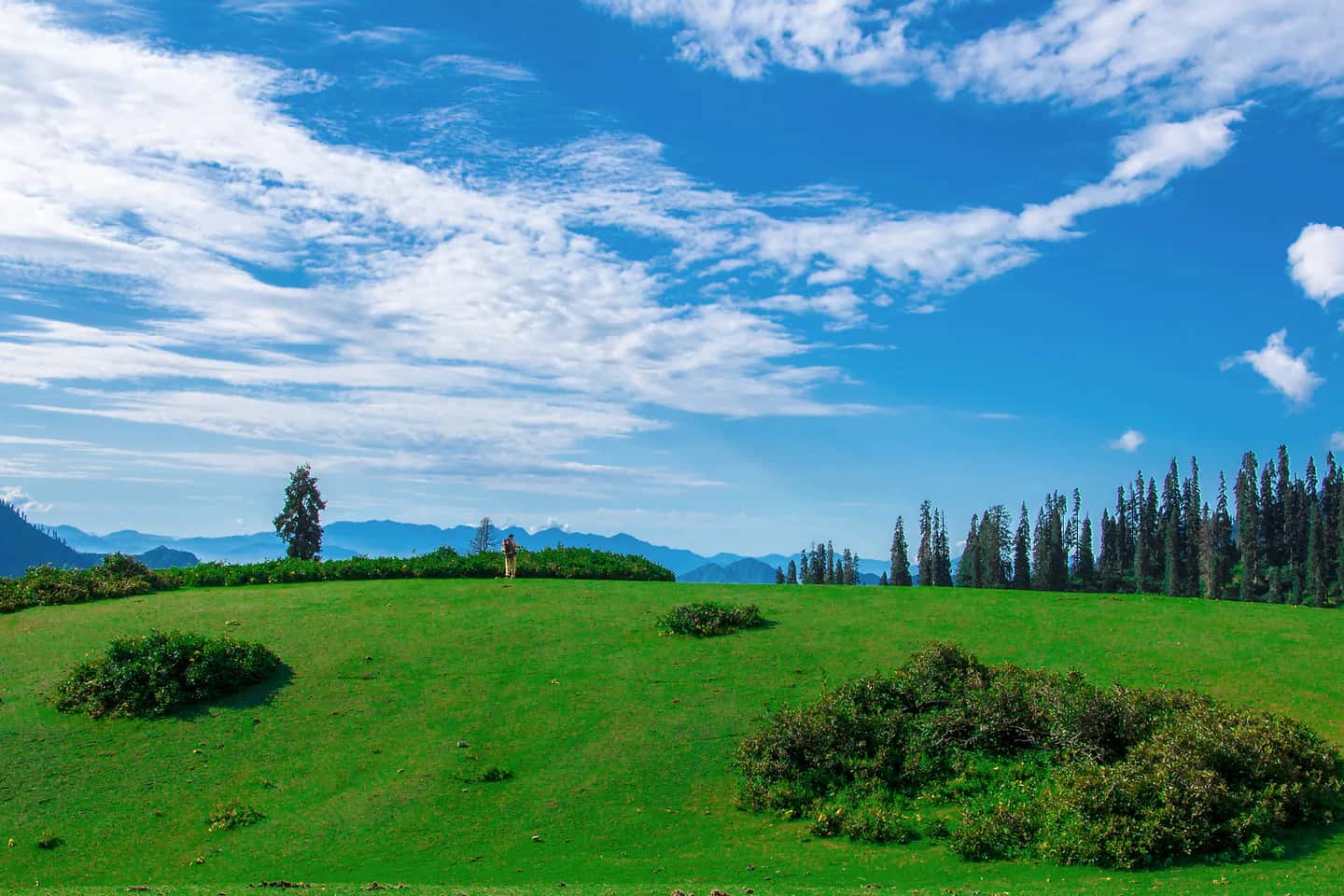
A steep path climbs to the right of the falls to the Jarogo Meadows, also called Jarogo Banda, a sweep of open grass and pine forest above the gorge. It is a hard climb of about 1.5 to 2 hours from the falls, so go only if you are fit, have time to spare and the weather is clear. In summer the meadows are green and quiet; in winter they lie under deep snow.
Jarogo in winter
In midwinter the waterfall freezes into a wall of ice, and the valley fills with snow. It is a striking sight, but a different trip. After snow or rain the last steep stretch to the parking turns to mud and ice, and only 4x4 vehicles and motorbikes with good tyres get up. The walk is harder in snow, so bring proper boots, a trekking stick and warm layers.
At a frozen waterfall, stay well back from the ice. Large pieces break off the top and fall without warning, so admire it from a distance and do not stand underneath.
What to bring
- Shoes or sandals with a firm grip for the wet rocks, and a spare pair of socks.
- A rain jacket or poncho. The weather in the valley changes fast, and the spray at the falls soaks you.
- A warm layer, even in summer, for the cold air at the base of the falls.
- Food, snacks and water from Beha or Matta. The stalls on the path are small and may be shut out of season.
- Cash from Matta or Gwalerai for parking, tea and the hotel.
- A rubbish bag, to bring everything back down.
When to go
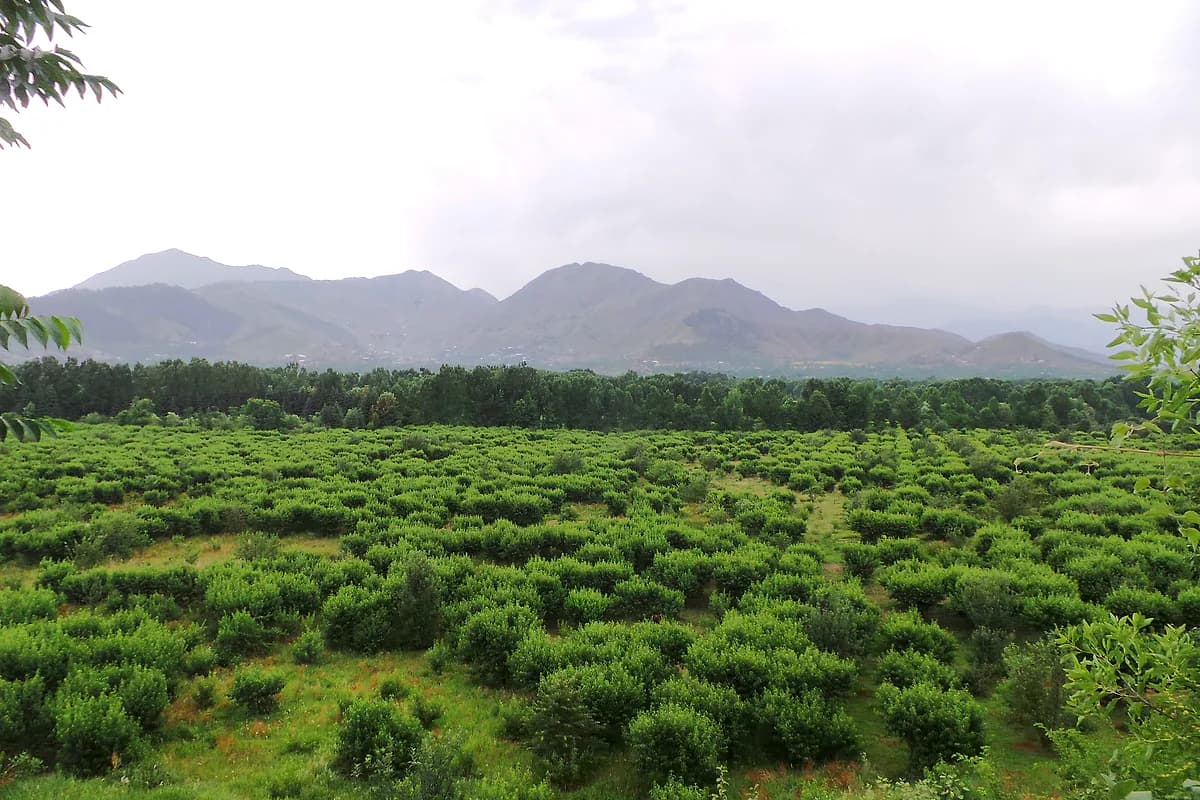
May to October is the season. June has the biggest flow from the snowmelt, July to September is green and full with the monsoon, and September and October are calmer and clearer. Weekends and Fridays are busy with local families, so a weekday morning is the quietest time. From December to February the falls freeze and the road needs a 4x4. For the rest of the valley, see our guide to the best time to visit Swat.
Jarogo and the rest of Swat
Jarogo is a day trip from Mingora or a half day from Matta. Gabin Jabba is only about 16 km away in a straight line, but there is no road across, so by car you go back down through Matta, about 52 km. Our Swat group tours from Lahore follow the main valley to Malam Jabba, Kalam and Mahodand Lake, from PKR 15,000 per person. For a private trip that adds Jarogo, with your own car and driver, send us your dates through our contact page.
Frequently asked questions
Where is Jarogo Waterfall?
At the head of the Beha valley in Matta tehsil, Upper Swat, about 30 km above Matta and 51 to 61 km from Mingora, depending on the route.
How long is the walk to Jarogo Waterfall?
About 2 km each way along the stream bed from the parking. Most visitors take 45 minutes to an hour up, with two or three stream crossings.
How high is Jarogo Waterfall?
It has never been properly measured. Estimates run from about 250 to 400 feet, falling in one long drop down the cliff.
Can a car reach Jarogo Waterfall?
Yes, to the parking at the small hotel at the road end, in dry weather. After snow or heavy rain the last steep stretch needs a 4x4.
Is Jarogo Waterfall good for families?
Yes for most families in dry weather. The rocks are slippery and the stream crossings need care, so carry small children over them and wear shoes with grip.
Does Jarogo Waterfall freeze in winter?
Yes, from about December to February. Stay well back from the ice, as pieces break off and fall, and expect to need a 4x4 for the road.